
SCROLL TO READ
<WANDER>
TYDE AGENCY
THURSDAY 13, AUGUST 2026
Interview with Fabio De Paola: A bet and a bottle of wine
<WRITER> Emily Stephens
<PHOTOGRAPHY> Fabio De Paola
Some careers are planned for years. Some begin with a bet.
Fabio De Paola didn't set out to become a photographer. Three decades later, the editorial and commercial photographer’s work has made the cover of G2 for The Guardian, and been featured by the likes of The Times and Le Monde, as well as charity organisations including Save The Children and Macmillan.
Proof that life can change by chance. We sat down with Fabio to reflect on the lessons, creativity, and unpredictable encounters of his career.
<01>
PORTRAIT OF A CAREER
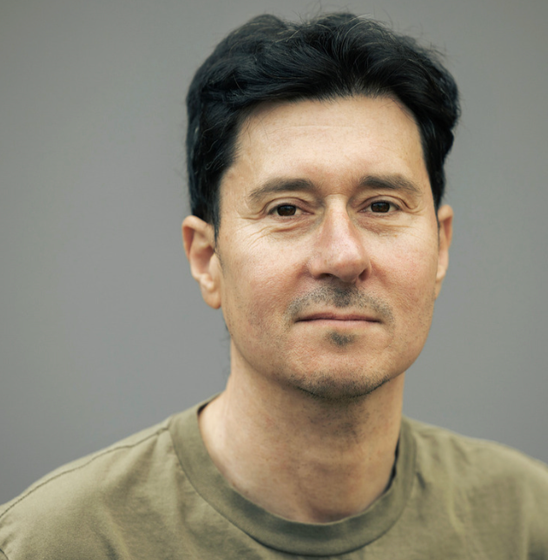
Fabio has produced work for a variety of publications both nationally and internationally, covering a wide range of topics from portraiture to reportage.
He has been a freelance photographer since 2003 supplying images and features for editorial and commercial clients. From commissioned celebrity portraits, travel assignments, in the field work for global NGO's and documentary features for print and online media.
THE INTERVIEW
Why photography? How did you get into it?
I got in by chance, basically for a bet. I'd been a qualified electrician — I was rubbish. Then I worked as a chef for a bit — rubbish. I bought a camera — a 50mm Minolta — went to Egypt, and thought: “this is cool.” A friend of mine was a reporter for the Press Association, and did the NCTJ journalism course. He said, "there's an equivalent one for photojournalism in Sheffield. Try and apply for it. Try and get on." He said it was hard, and bet me a bottle of wine I couldn't. Timing was of the essence, because the course started three weeks later. I went in with a portfolio that was dubious. Talked the talk a bit. And was told, "I'm going to take a chance with you." 18 months later, I was the college’s Photographer of the Year. So I was, you know, kind of lucky.
Did you have any kind of inclination towards photography prior to that?
No. But I looked back at the portraits I took in Egypt, and they still stand up well today. Basically, the only thing I needed to figure out was technique.
So, you instinctively had the visual eye?
The “what” and “why” you're doing what you're doing, I didn't know. A couple of seeds of advice at college was: “fill the frame.” In the first few months of college, I was catching up. Everyone had already learned photography, and I was starting off from zero. I had a dark room in the bathroom of the house I was living in in Sheffield. I was practicing. Reading books. Learning the basics. I remember there was one book that David Bailey was talking about. He said he wanted to be a photographer because he knew how to arrange things on his grandma's mantelpiece. He’d say, "that looks better there," and I get that. My work is very symmetrical. Everything has a place and a purpose.
Was there an artistic bloodline in your family?
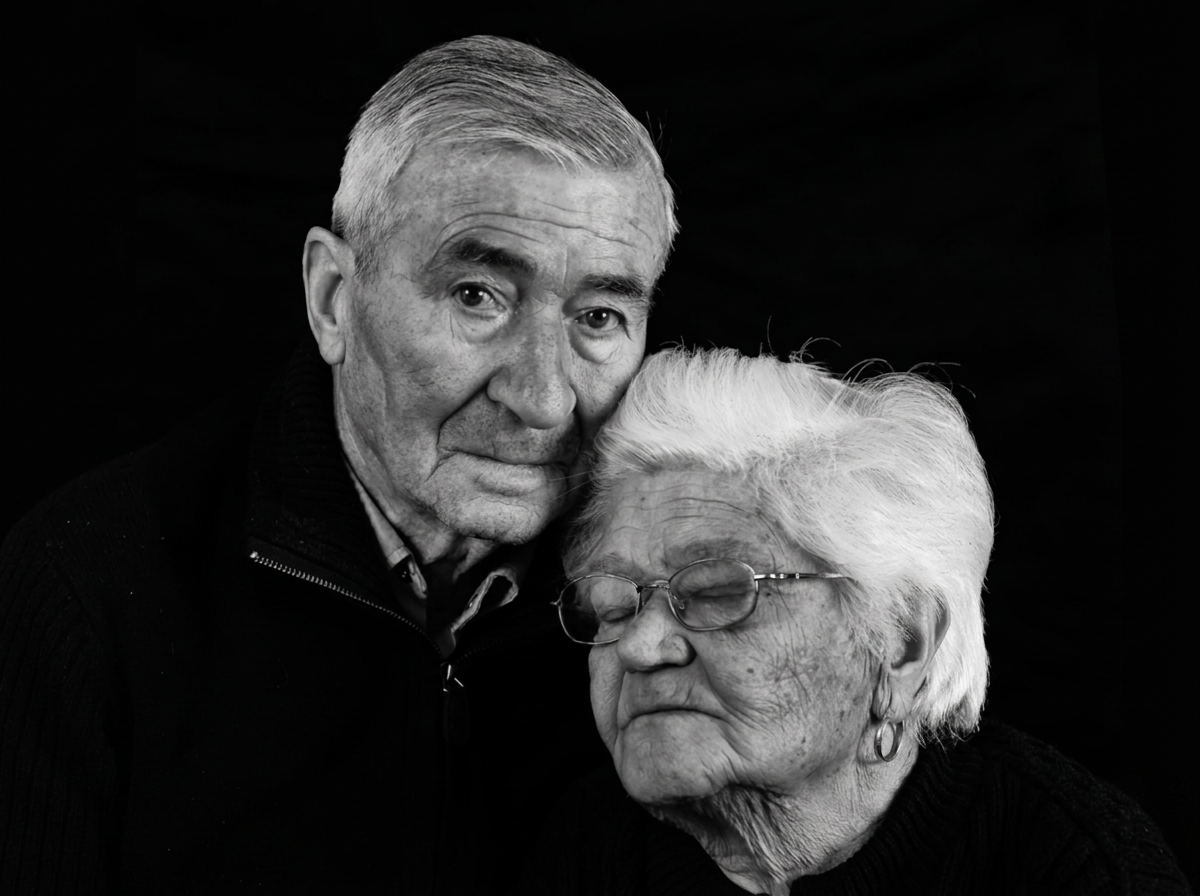
My brother and sister are very well educated. They both went to university, so there’s intelligence there. But my parents were peasants from Italy. They didn't have time to be artistic. Just hard graft.
Maybe it's in the Italian genes?
Yes… No… I don’t know. But I was lucky that I could take a chance changing career. I had good backing. I wasn't getting bankrolled to do it — I knew if this doesn't work out, I could go back home. I won't be homeless.
If you hadn't have got onto the course, would you be doing what you're doing now?
I'd probably be running one of my dad's pizza shops, and a lot richer. I ran one to put me through college, finished in February, and went to Egypt in May. That was 30 years ago. Then went to Italy, came back, and started that course.
My parents were peasants from Italy. They didn't have time to be artistic. Just hard graft.
<02>
Do you remember your first commission once you'd left college?
I went to work for a local newspaper in Cheltenham — when local papers were a thing. It was the best training you could have to polish your craft. Learning on the job. I was there for two years, and then started to work for The Guardian through a photo agency. About a year after that, when I went freelance, they started working with me straight away.
My first commission that really cemented me with The Guardian was a feature on Les Dennis. He was doing this comedy tour around some small theatres in England, but nobody was going. We did a behind-the-scenes feature with him. It was that commission that gave me a good relationship with The Guardian, and everything rolled on from there. I got lucky.
<03>
Why do you still love doing what you do? What keeps you going?
It's varied. I like meeting people. When I photograph people, they're there to be photographed. They want to be photographed. And I can still get so much better. But how far can my talent stretch? I had times where, maybe six years into my career, I thought, "I don't think I'm good enough to get better.” I was, obviously. We all lack confidence. I still lack a bit of confidence, but it’s that lack of cocksureness that is good. I don't mind saying "let's put this light in” or "let's work on that." Martin Parr was like that. You looked at him work, and he was all over the place. Method in the madness.
What does ‘better’ look like to you? What are you striving for?
More creativity. I think you'll always chink away at a bit more creativity. What can I learn? What can I do differently now? The main thing I always say to up-and-coming photographers is, "Get your style and keep it." When I first started out, I thought, "I should do this because I think this is what they want." No — they want what they already know you for.My style: location, possibly one light. That's it. Keep it simple. I learned a lot from photographer Murdo MacLeod. It's conceptual, and when you're dealing with people at a certain level, there's risk. Do the quirky things at the end of the shoot. You don't want to lose them.
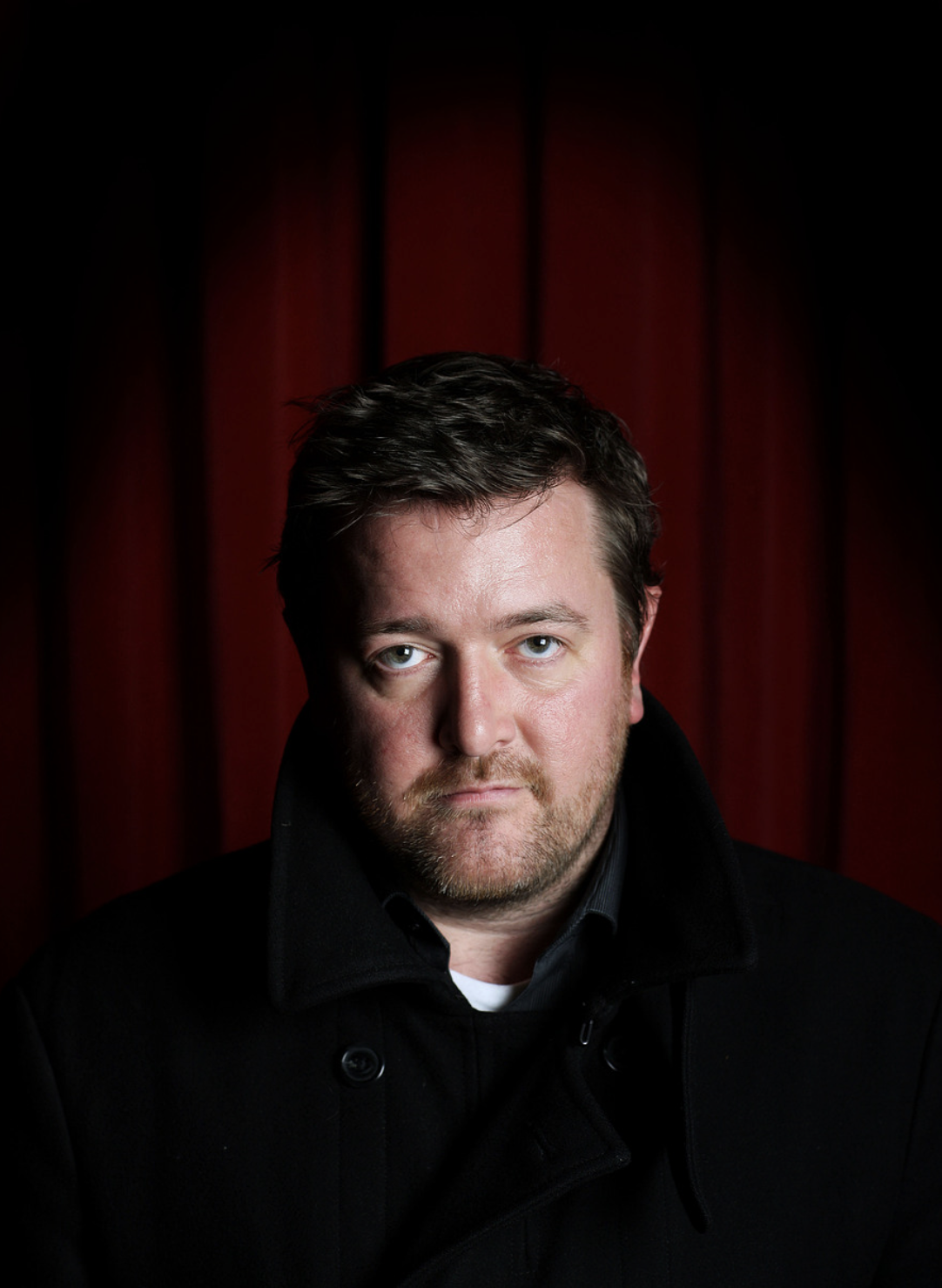
<04>
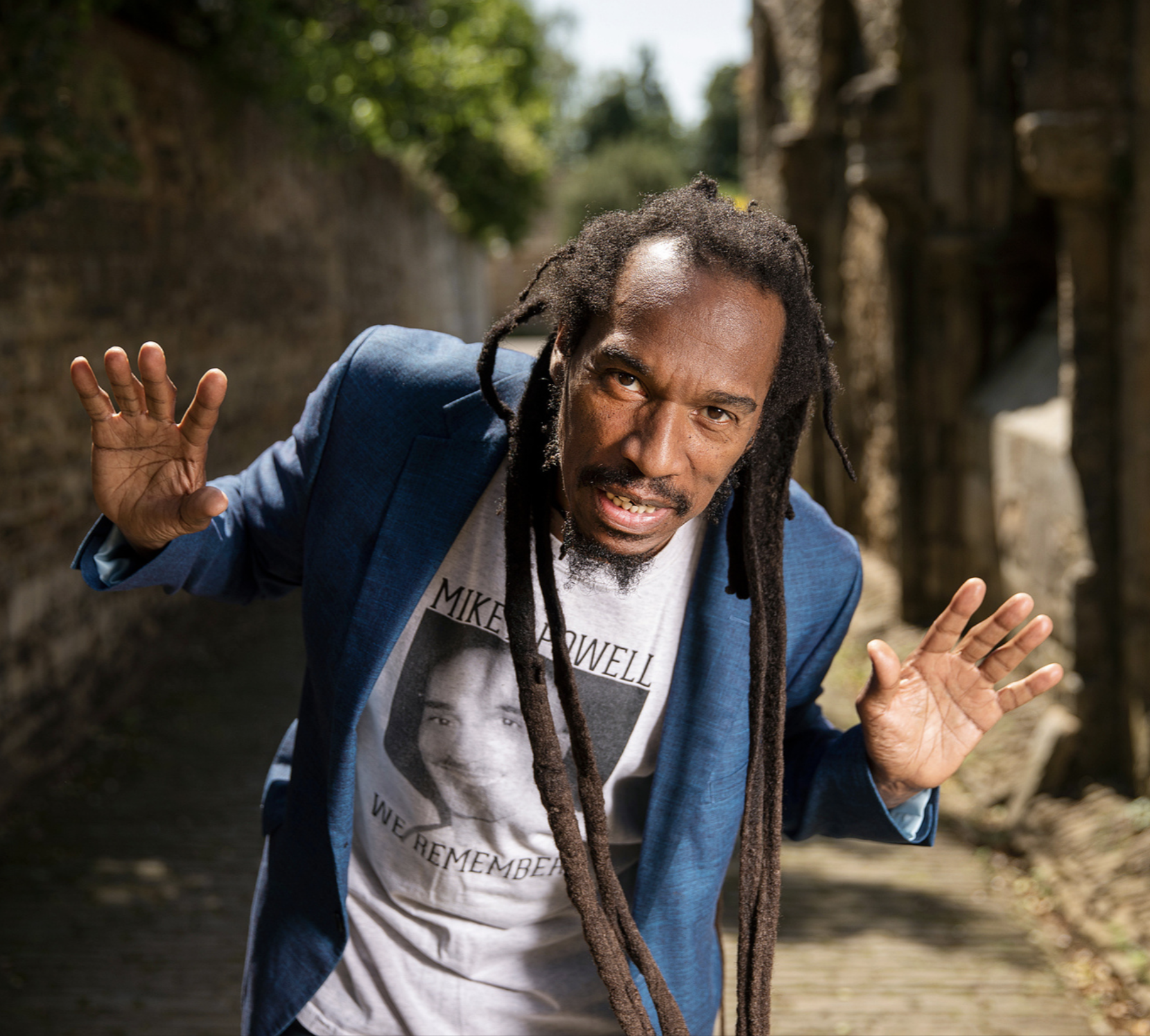
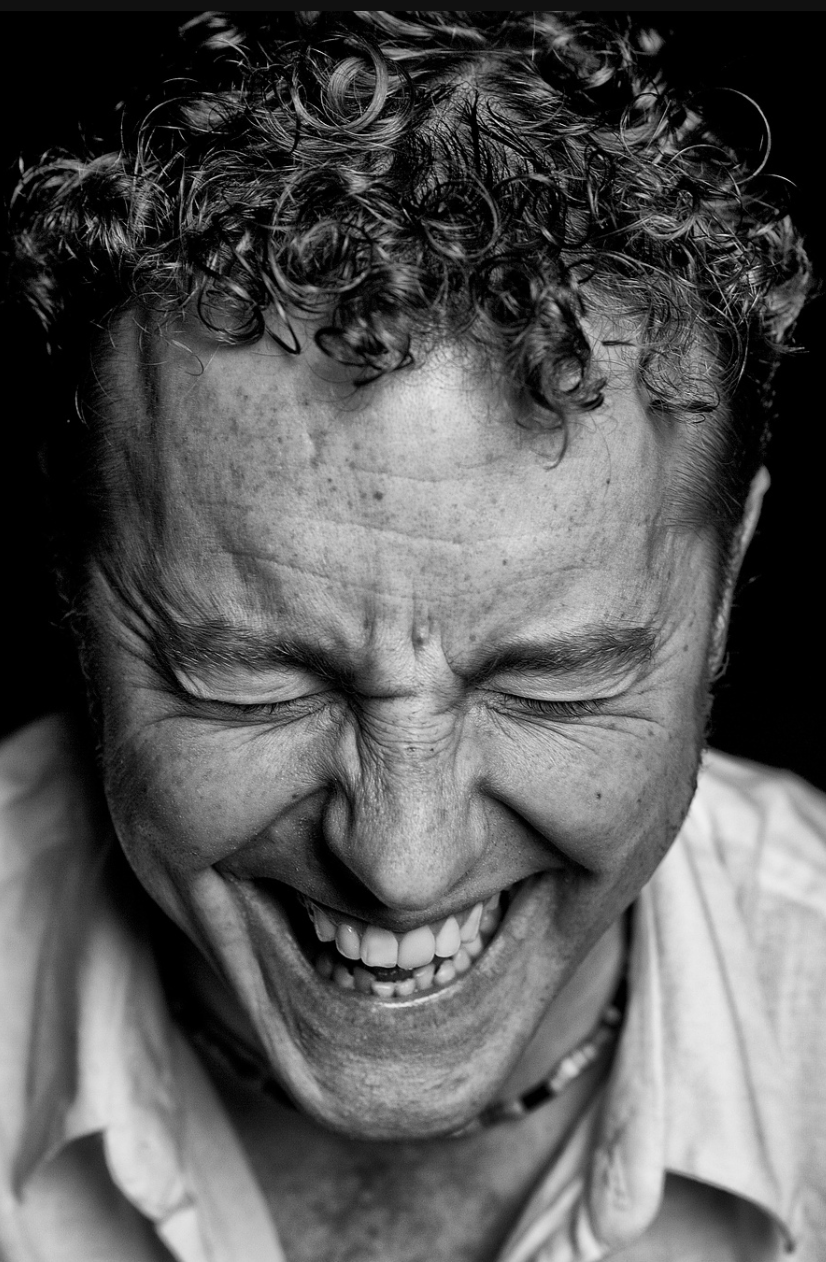
<05>
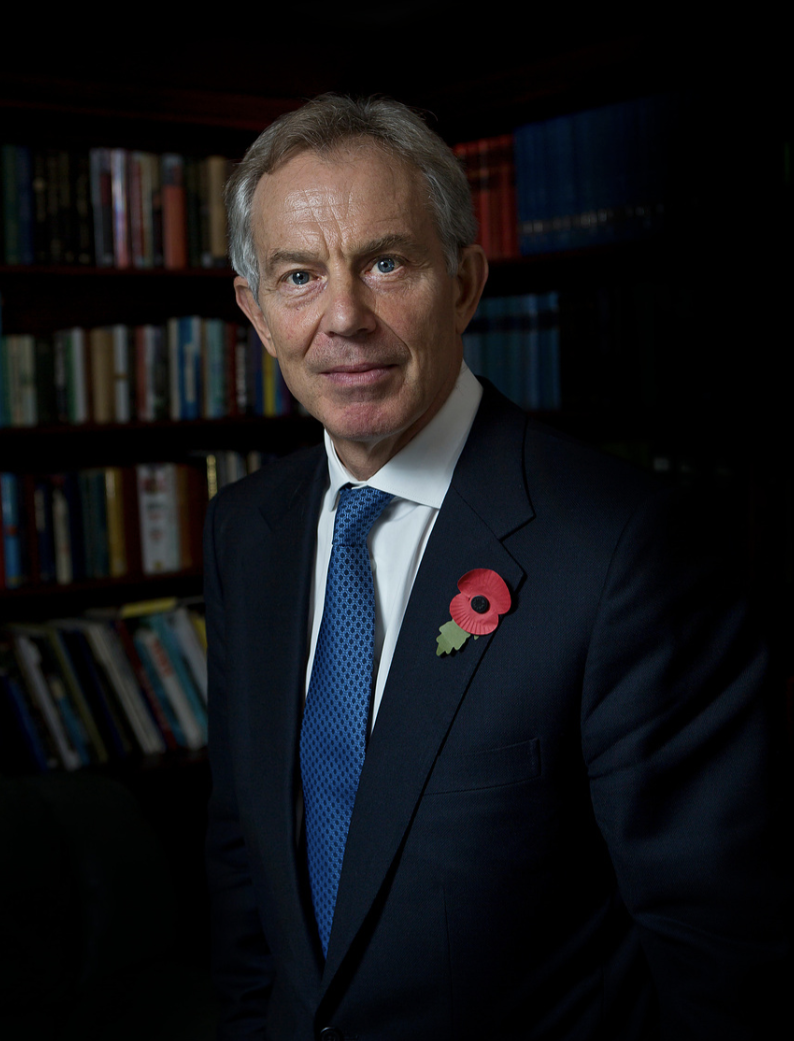
<06>
Is there anybody you could photograph that you haven’t?
I always said Morrissey. I photographed drummer Mike Joyce last year on top of a hotel in Manchester. Brilliant shoot. I was a big Smiths fan. Morrissey, now — probably not. Photographing people of history — I think you can’t turn that down. The only time I've had clammy hands was photographing Tony Blair. was in Hull with John Prescott. He was doing some press thing in a Chinese restaurant. He was doing an interview with The Guardian. When he finished that, I asked his special protection, "Can I just ask him?" They thought I was in on it anyway because I was photographing them talking. I said, "Tony, can I have five minutes?" I was so expecting him to say no. So there I was in this Chinese restaurant. There was a bookshelf, so I got him in front of that so it looked a bit less Chinese restaurant-y. For a portrait,
Again, I got lucky.
To view more of Fabio’s work, visit WWW.FABIODEPAOLA.COM or follow him on INSTAGRAM
<01> Portrait of Fabio’s parents © Fabio De Paola
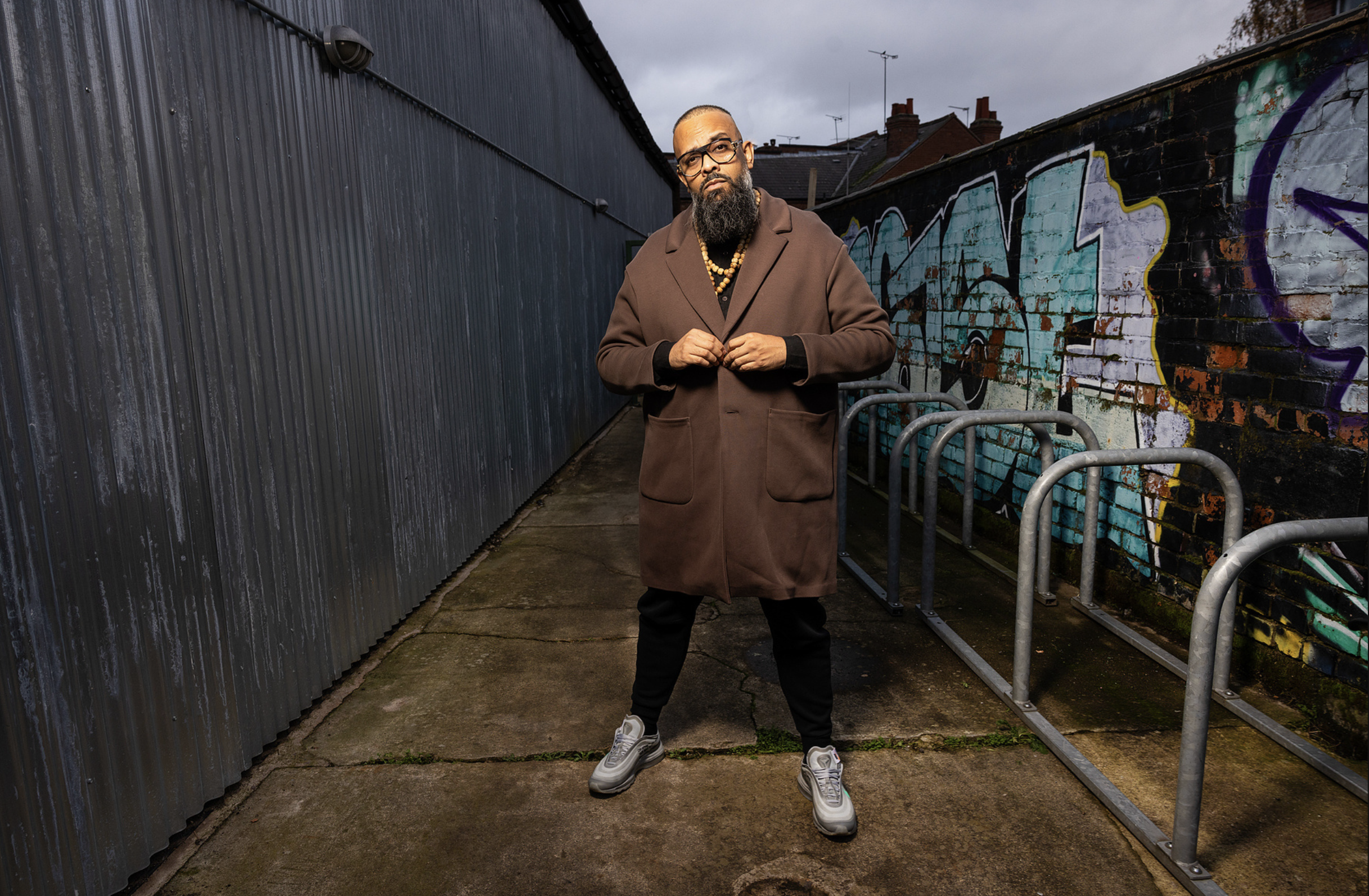
<02> Guz Khan © Fabio De Paola
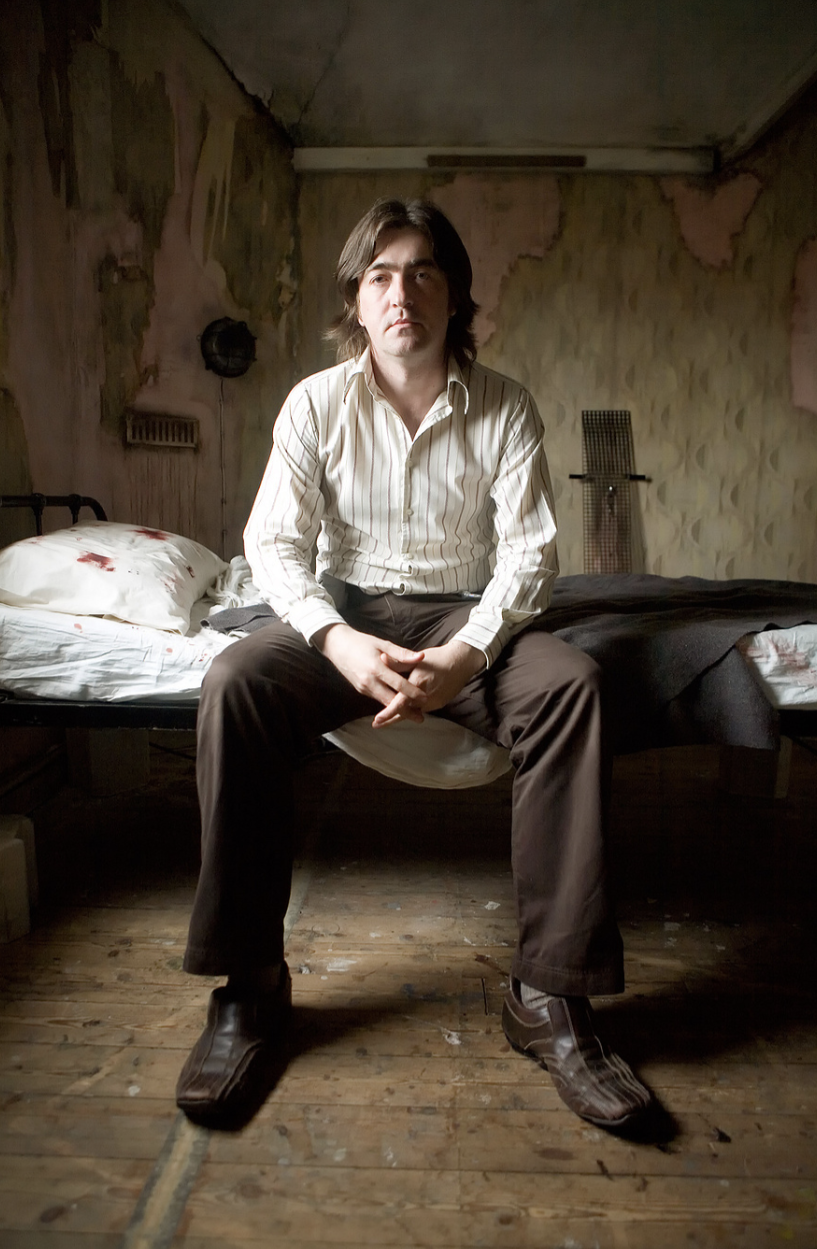
<03> Film director Steven Sheil © Fabio De Paola
<04> Musician Guy Garvey from the band, Elbow © Fabio De Paola
<05> Poet Benjamin Zephaniah (L) and Actor Sam West (R) © Fabio De Paola
<06> Former UK Prime Minister, Sir Tony Blair © Fabio De Paola
Contact
Say hello:
General Enquiries & New Business: hello@tyde.agency

EXPRESSING ARTISTRY OF ALL KINDS.