
SCROLL TO READ
<WANDER>
TYDE AGENCY
MONDAY 15, JUNE 2026
Leicester Print Festival
<WRITER> Marc Baker
<PHOTOGRAPHY> Marc Baker
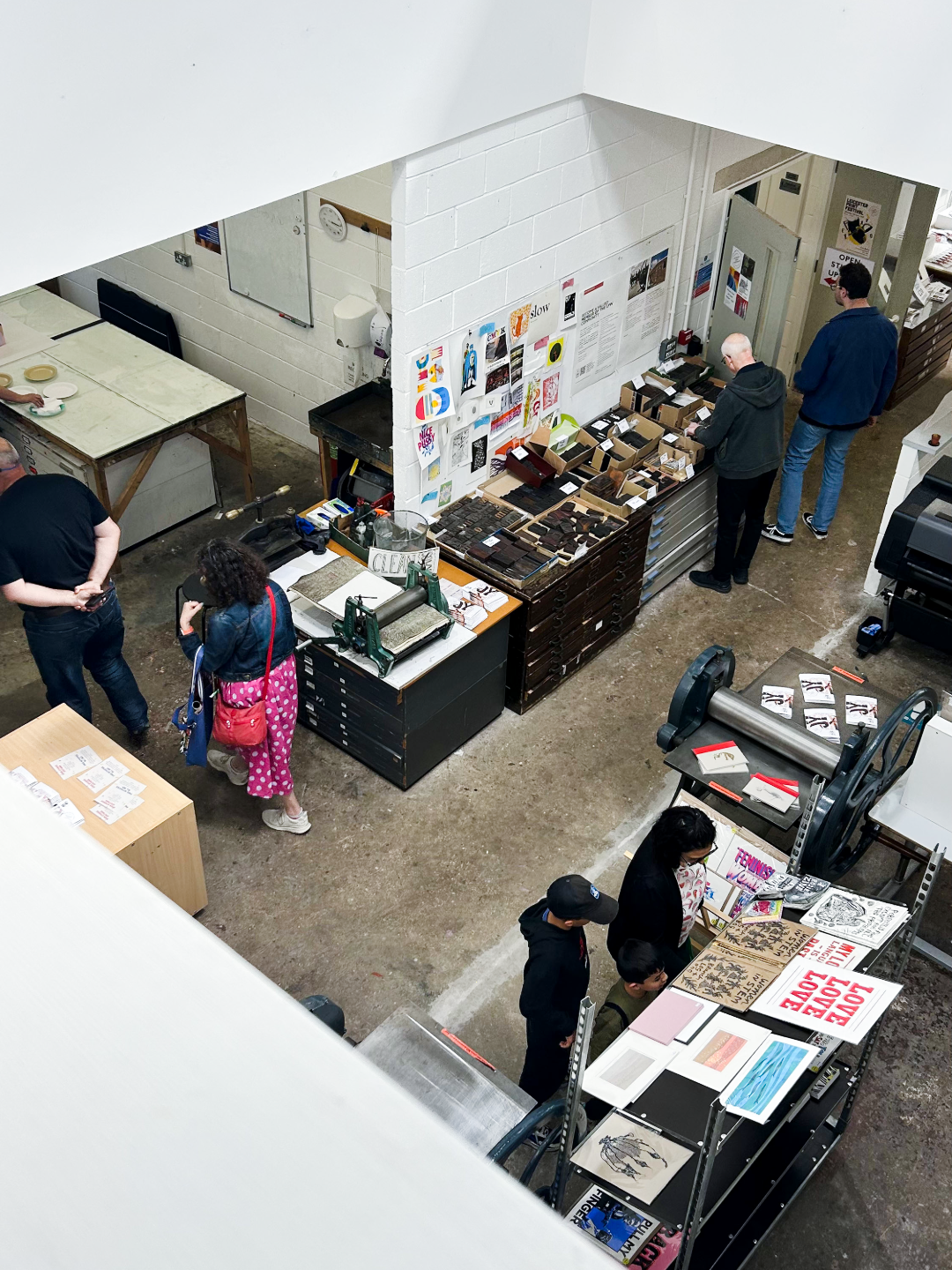
<01>
In a city with printing in its bones, a small but extraordinary team is ensuring that the art and craft of printmaking belongs to everyone — and that the next generation gets to feel the pull of the press for themselves.
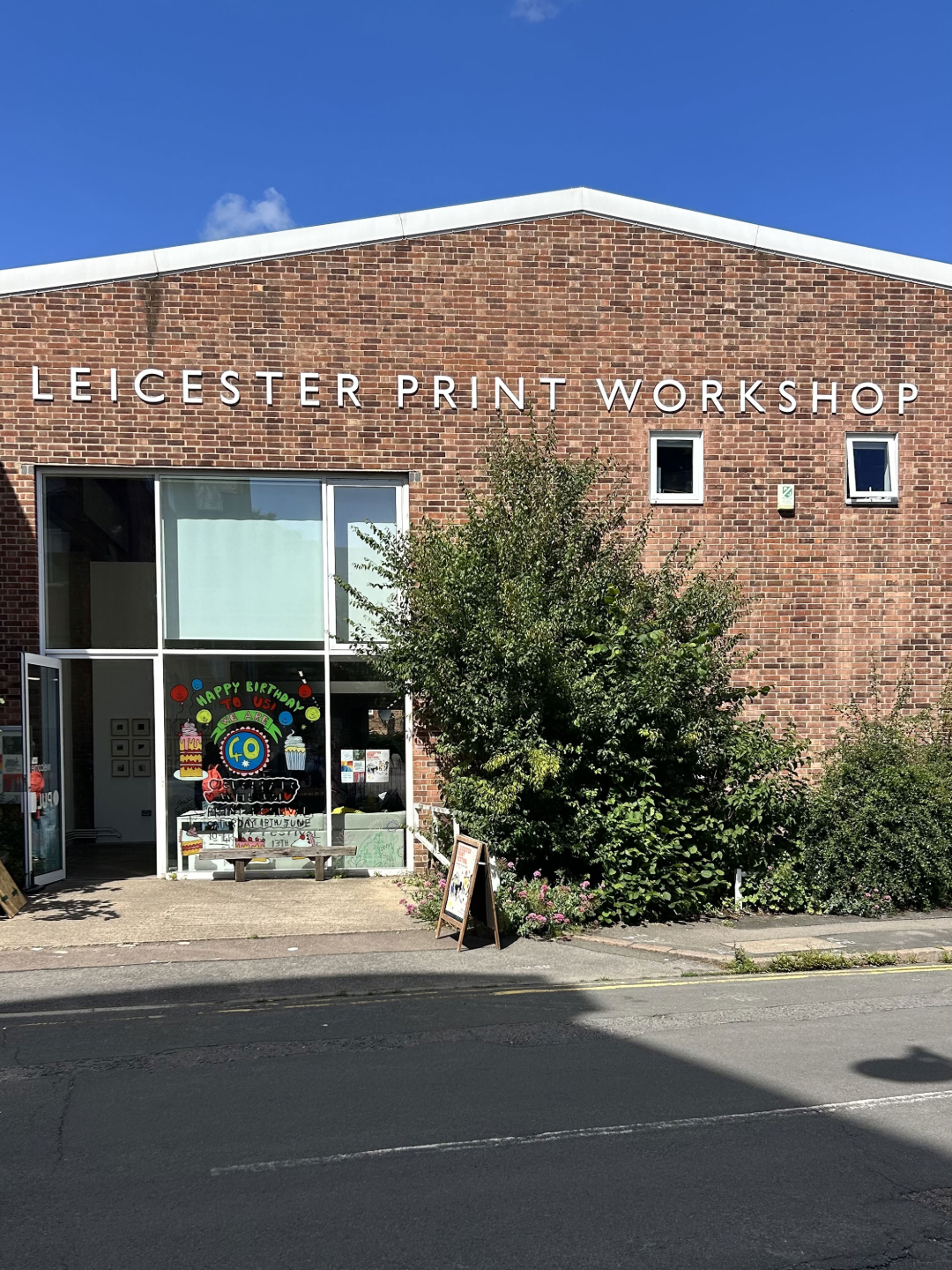
Saturday took us to Leicester Print Workshop on St. George Street, in the heart of the city's Cultural Quarter, for the Leicester Print Festival. LPW turned forty this year — and the anniversary feels significant not merely as a milestone but as a testament to what stubborn belief in a craft can achieve. The workshop was born in 1984 out of a small artists' collective at Knighton Lane, founded by a group of printmakers who simply wanted a shared studio and were willing to raise the money themselves through art auctions and national fundraising events to get it. What began with a single Harry Rochat etching press and a contract of trust has grown, over four decades and several homes, into one of the Midlands' leading centres of excellence for fine art printmaking — housed today in an RIBA award-winning building on St. George Street, its 8,500 square feet of studios, gallery, education space and artist residencies a world away from that first converted house. Forty years. The press keeps turning.
<02>
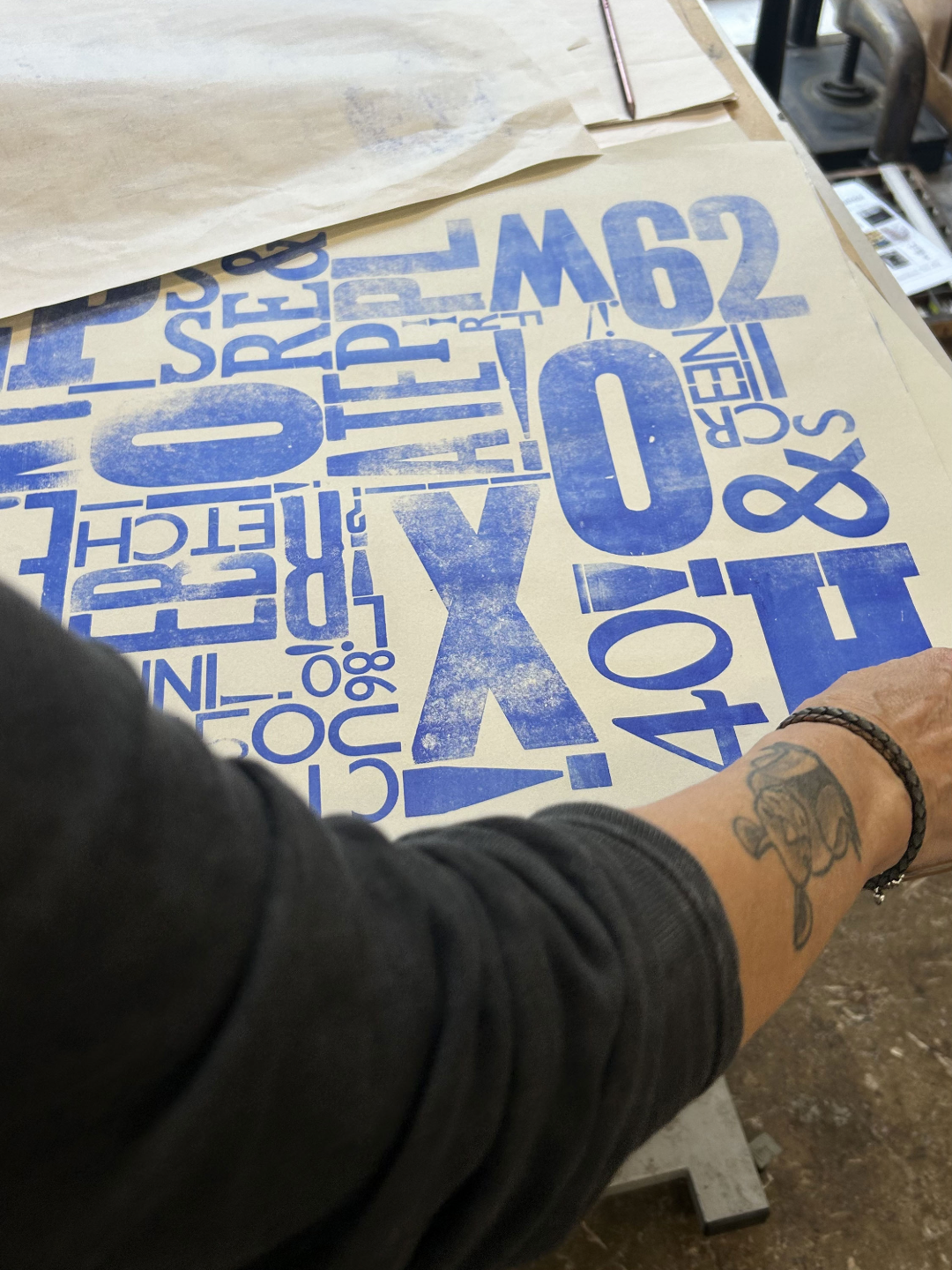
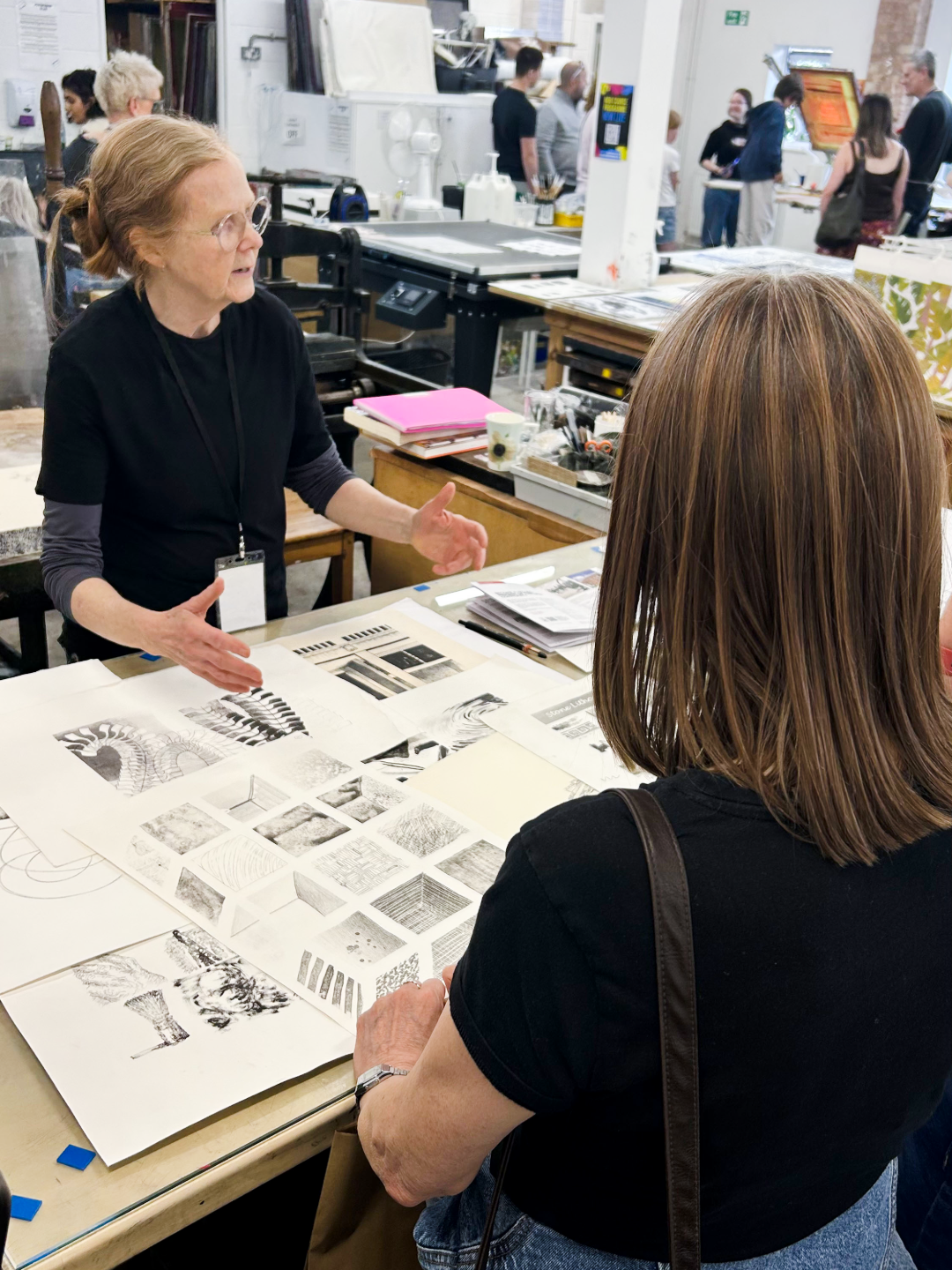
The Festival itself drew nearly 300 people through the doors across the day — a remarkable number for what is, at its heart, a working studio rather than a public attraction. And that distinction matters enormously. LPW is not a museum of print. Every piece of equipment here earns its place: the etching presses, the lithography stones, the screen printing facilities, the letterpress machinery, the wood and lino cutting stations. Several of these are among only a handful of working examples left in the country. They are maintained, used, taught on, and trusted to the hands of students, members, visiting artists and — on festival day — curious members of the public who have never held a roller or laid ink to paper in their lives. Open studios allowed visitors to walk through working printmakers at their craft. Artist demonstrations and talks ran throughout the day. Exhibitions filled the gallery. The whole place hummed with the particular energy of a space that is genuinely, unapologetically alive.
<03>
<04>
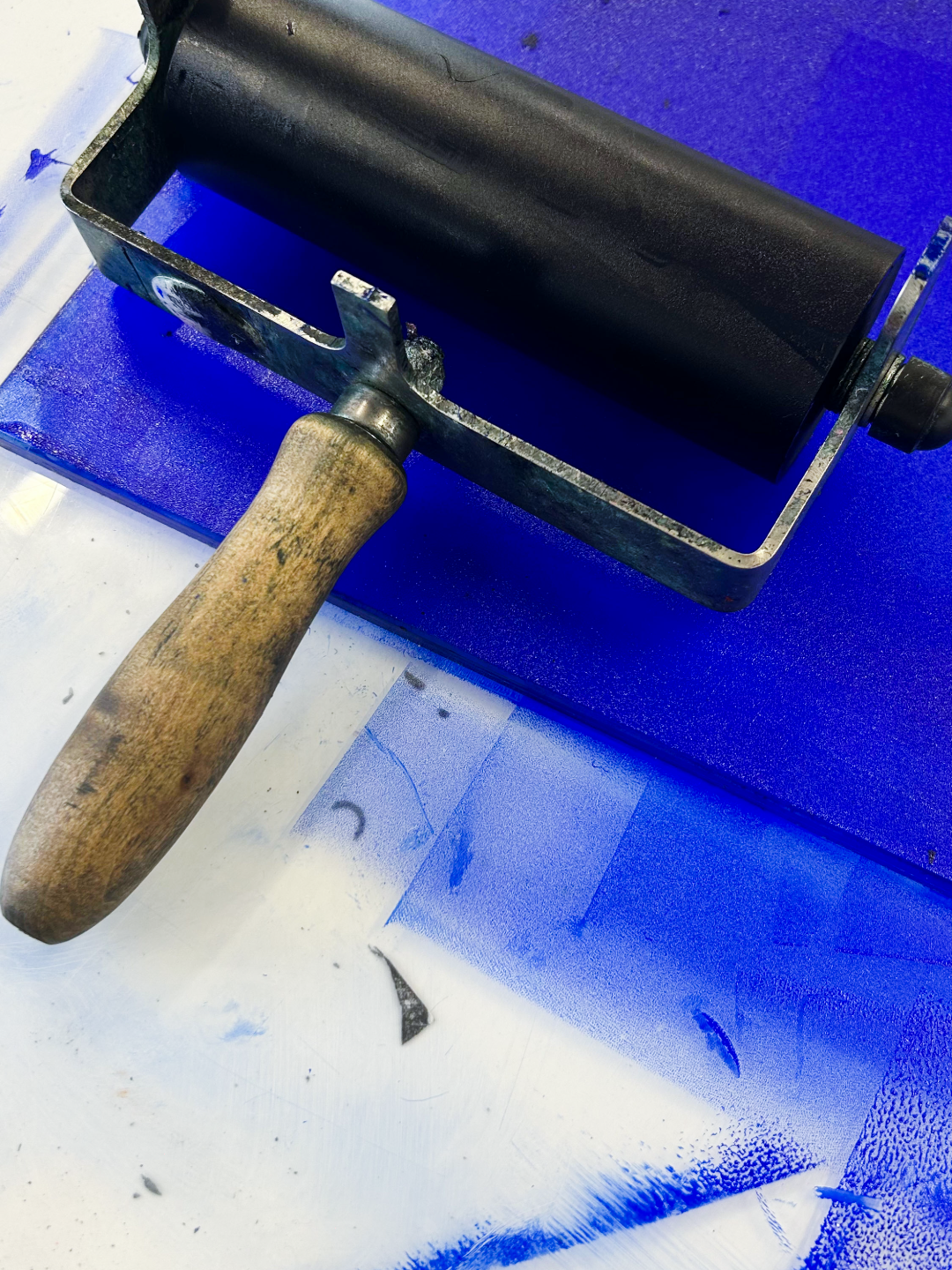
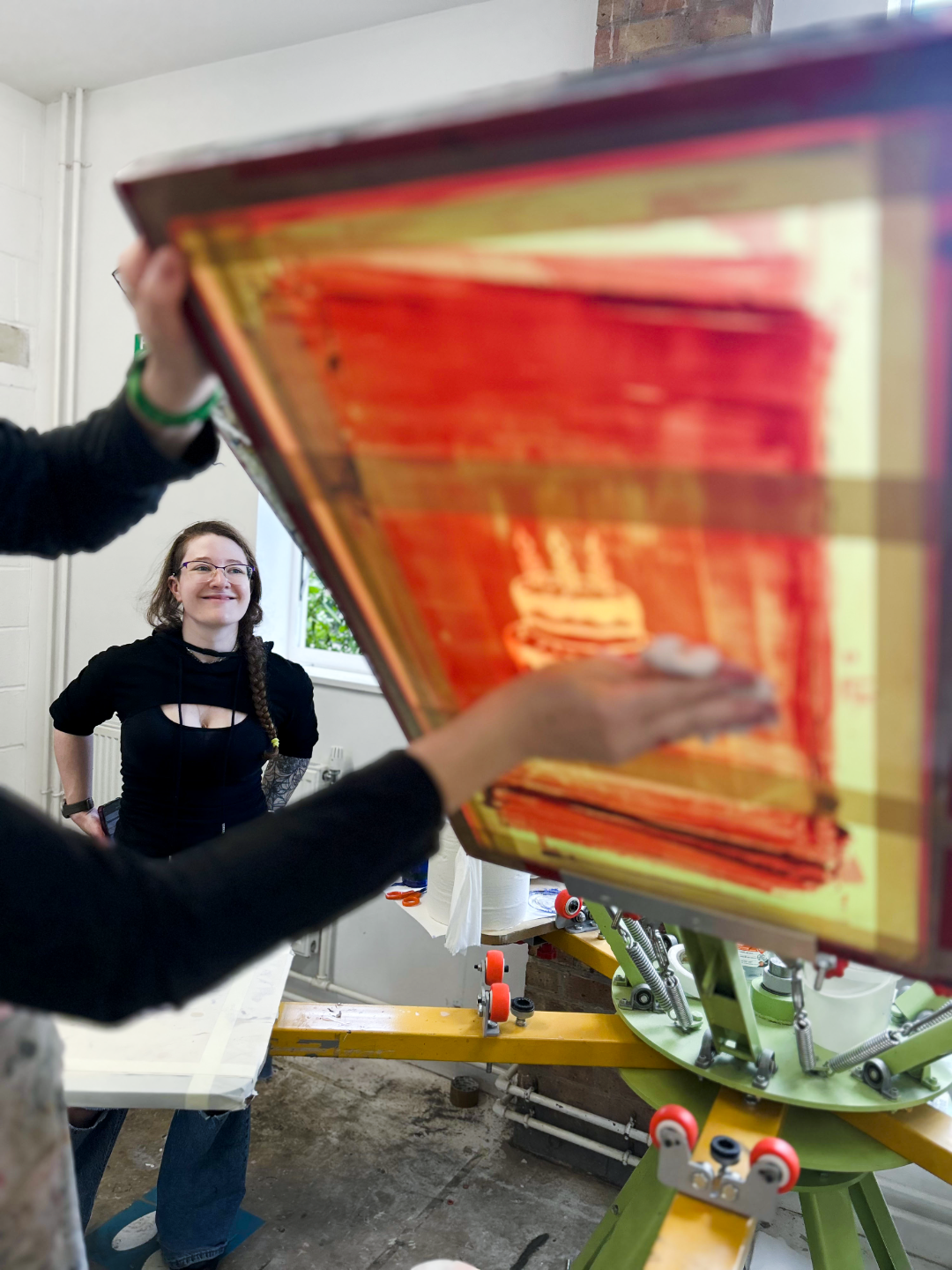
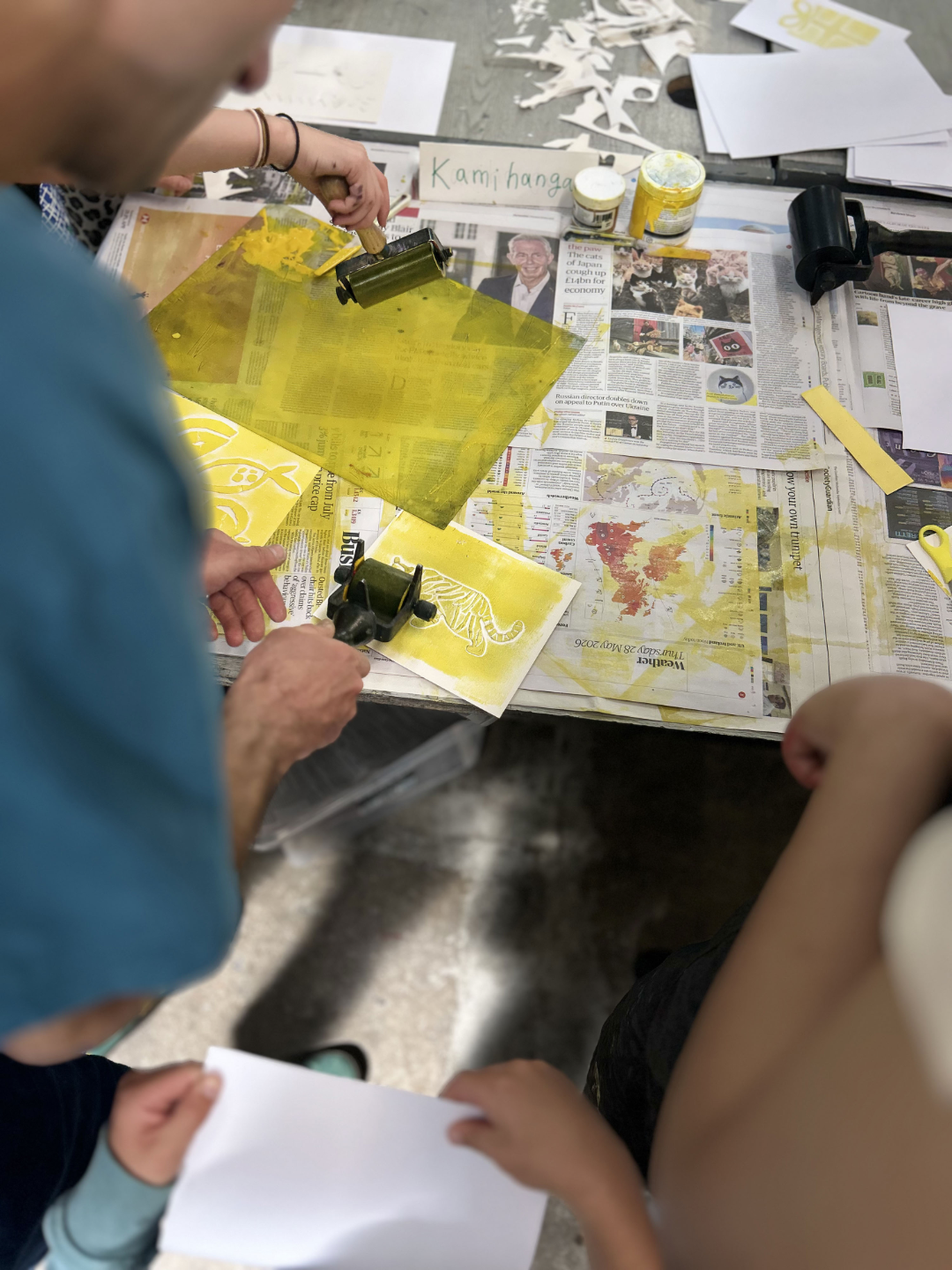
Perhaps the most moving thing to witness was what happened when children encountered the presses. There is a particular quality to that moment — a child pressing ink into lino, or setting type by hand for the first time, or pulling a screen print and lifting the frame to see what they've made — that no description quite does justice to. Delight, yes. But also something deeper: a kind of recognition. The understanding, immediate and instinctive, that their hands have just made something real. That it exists in the world because they put it there. LPW's commitment to engaging the next generation in the art of printmaking is not peripheral to what they do — it is central. The festival was free and open to all, with no barriers to entry and no prior knowledge required. Children tried letterpress, lino printing, screen printing. They got ink on their hands. They went home with something they had made. That is the whole point.
<05>
<06>
<07>
Printmaking has always mattered beyond the aesthetic, and it is worth remembering why. Long before social media gave dissent a platform, the small press was one of the most radical tools available to those without power. Hidden from authorities and passed hand to hand, pamphlets and protest posters produced on portable presses gave political movements something tangible and reproducible — something that could be plastered to walls, folded into pockets, pressed into the hands of strangers. The history of print is, in no small part, the history of people refusing to be silenced. That counter-cultural inheritance runs through every print tradition LPW keeps alive: letterpress, etching, screen printing, lithography. These are not decorative crafts. They are forms with teeth.
<08>
<09>
LEICESTER PRINT WORKSHOP
LPW was first established in 1986 and became a registered charity in 1993. In 2015 it moved to its new RIBA award-winning building situated in Leicester's Cultural Quarter, where alongside the studio space, it benefits from a gallery, shop, education space, framing room and 11 permanent artist studios.
LPW has grown into one of the leading centres of excellence for fine art printmaking .
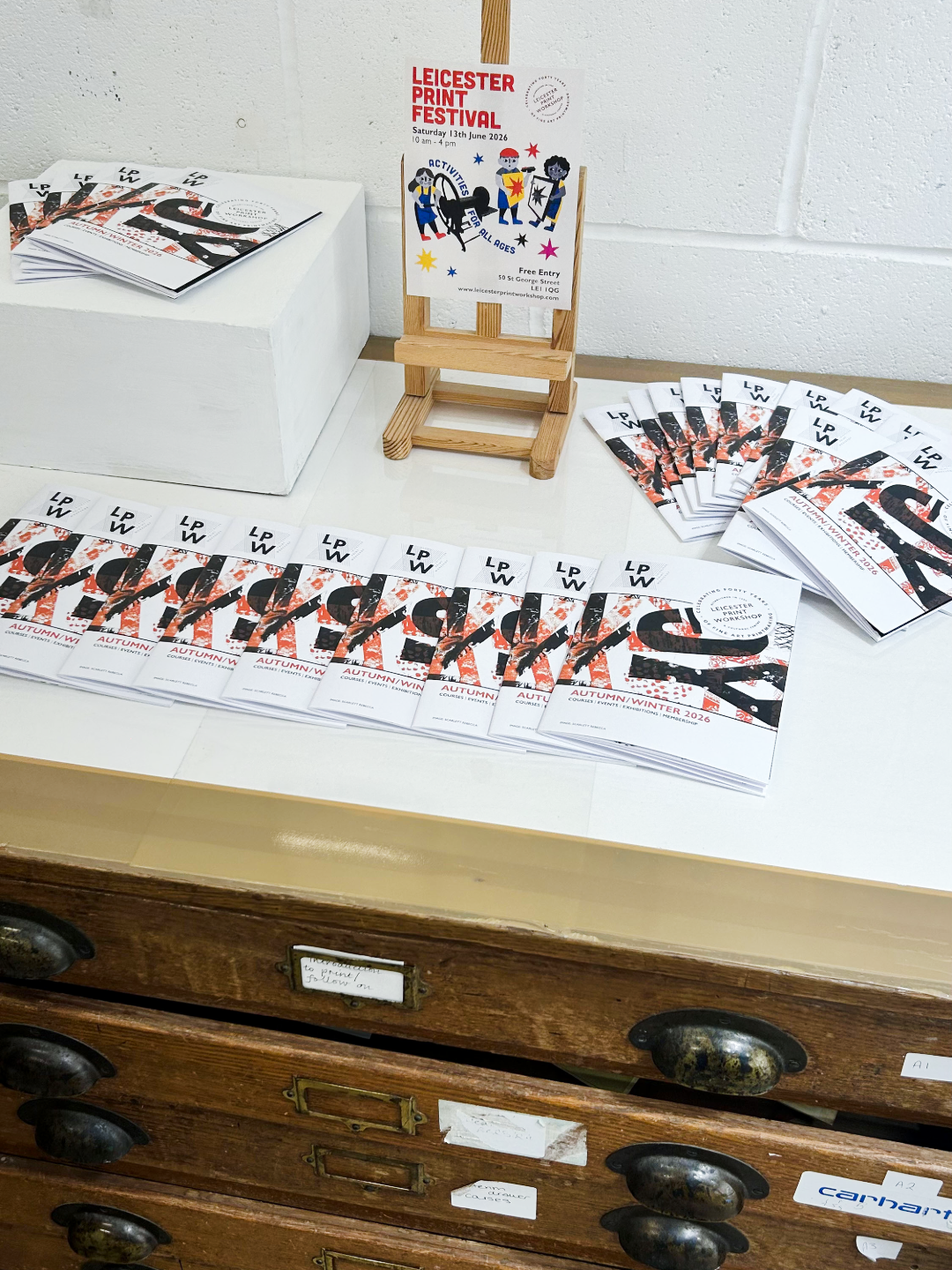
There is resistance in the art form itself — literally. Printmaking is a visceral medium. It demands physical contact, applied pressure, the drag of a squeegee across mesh, the smell of ink, the weight of a roller. It cannot be faked and it cannot be rushed. In an age of frictionless, instant, endlessly reproducible digital output, that resistance is not a limitation — it is precisely the point. The slow movement has made its way from food into creative culture for exactly this reason: people are seeking out the materials that push back, that record the evidence of human hands, that retain the imperfection and warmth of something made rather than generated. Printmaking sits squarely in that tradition. It always has. The new Autumn/Winter course programme launching from LPW reflects this appetite — covering letterpress, etching, screenprinting, foil litho, monoprint and fabric printing. Traditional skills. New hands learning them.
<10>
<11>
<12>
All of it — the festival, the courses, the open studios, the forty years — rests on a small and quietly extraordinary team who pour a disproportionate amount of passion and commitment into keeping these skills alive and accessible. Free of charge. No barriers. No hierarchy of who deserves access to art and craft and the joy of making something with your hands. Leicester has printing in its bones — a city whose industrial heritage is bound up with ink and press and paper in ways that still echo through its streets. LPW is the living continuation of that story. Long may it continue.
Discover more about Courses, Workshops, Exhibitions and Events at LEICESTER PRINT WORKSHOP
<01> Visitors enjoy LEICESTER PRINT FESTIVAL 2026
<02> LEICESTER PRINT WORKSHOP located on St. George Street, Leicester
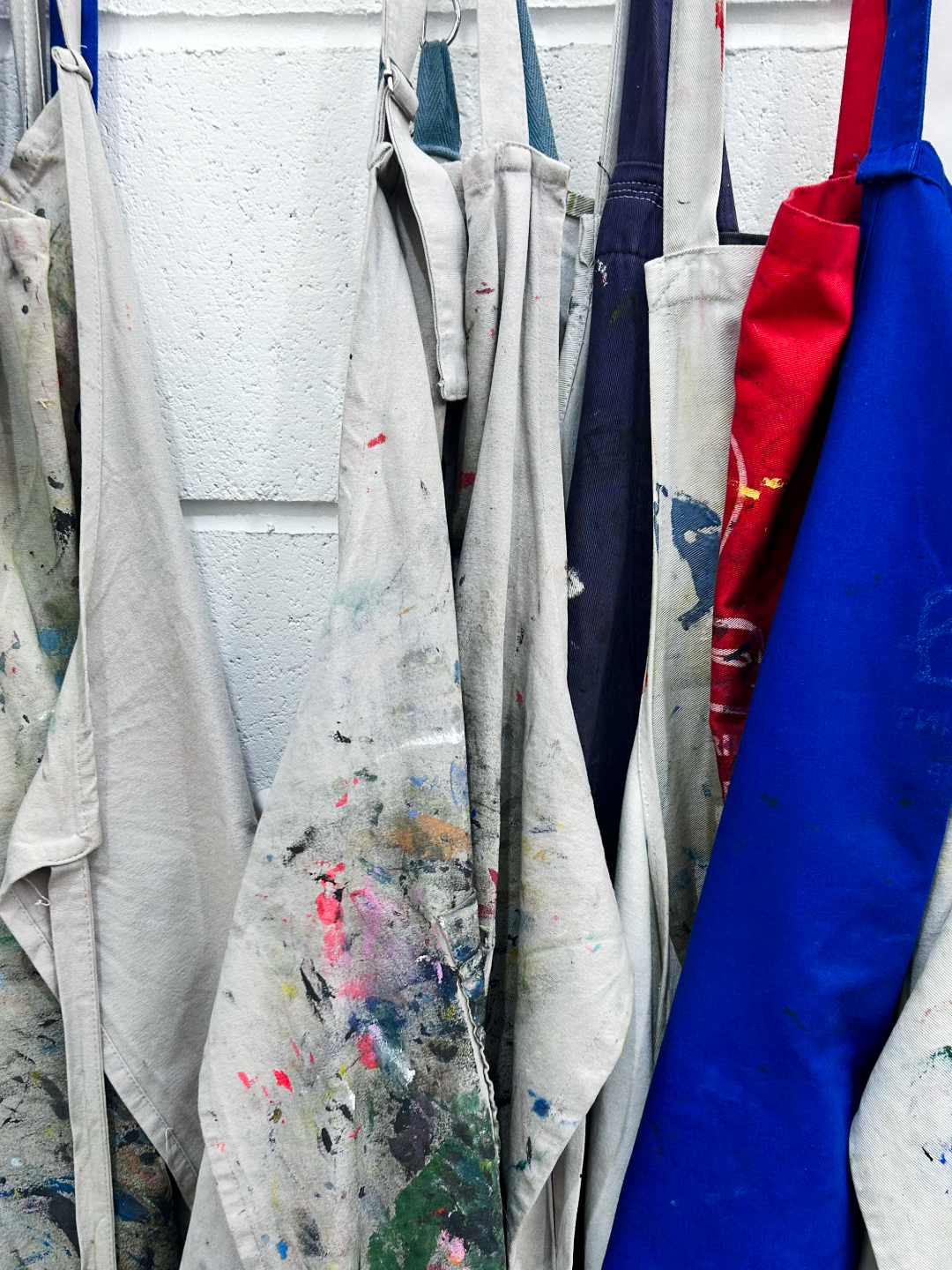
<03> Aprons hang at LPW
<04> Letterpress printing during LEICESTER PRINT FESITVAL
<05> Clean down after screenprinting workshop
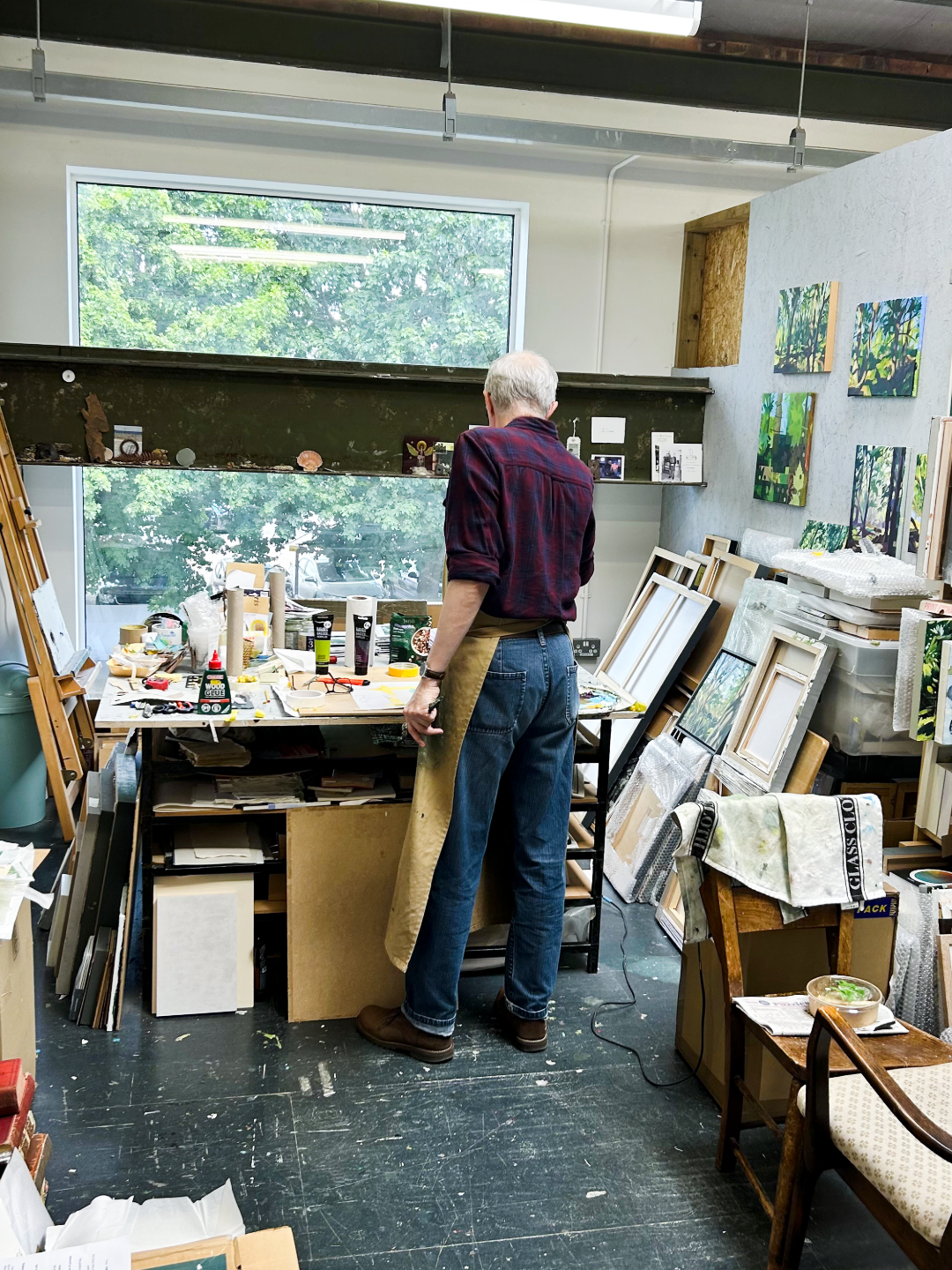
<06> Studio artist at work
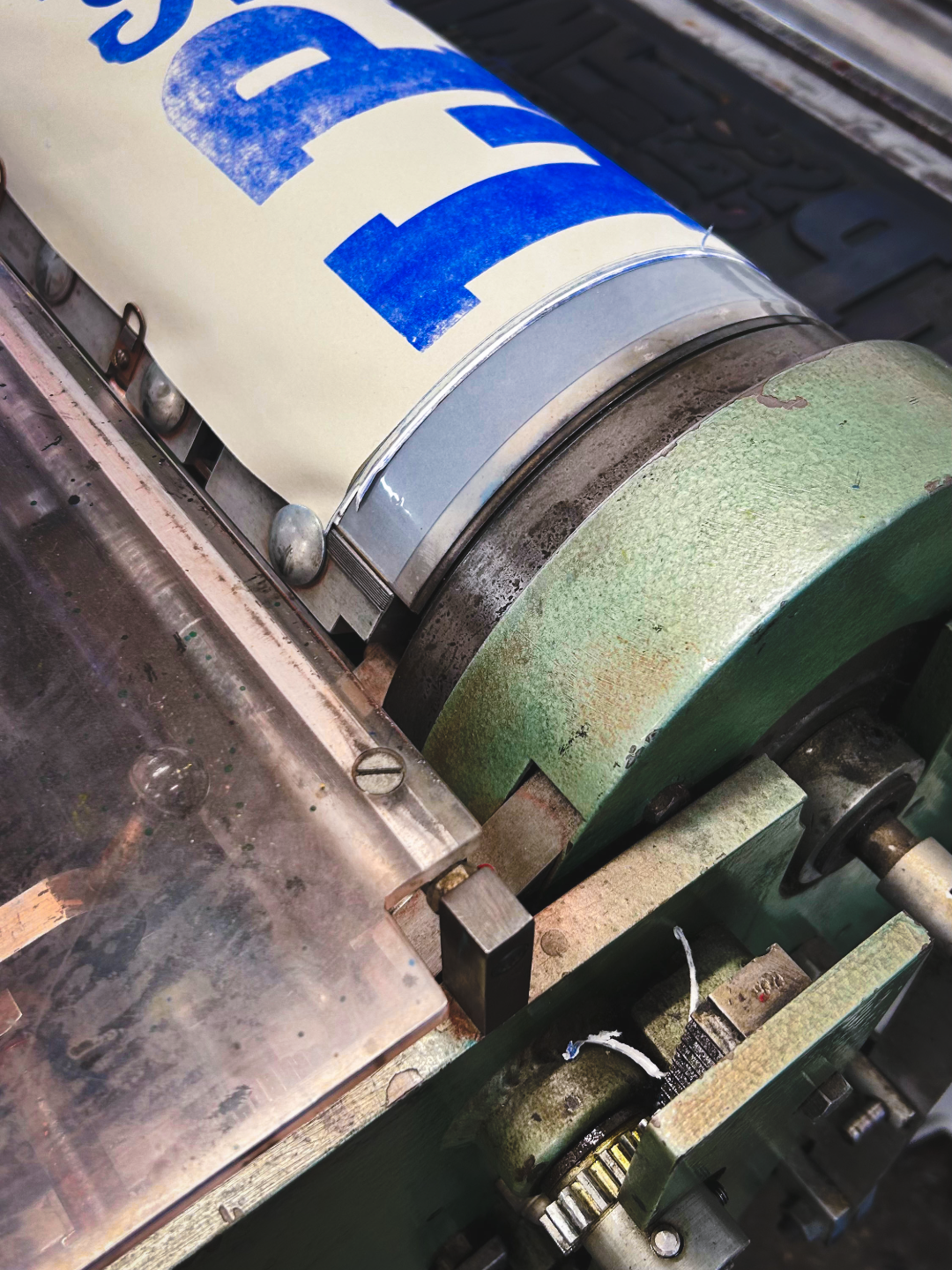
<07> LEICESTER PRINT WORKSHOP featured a range of talks and hands-on activities
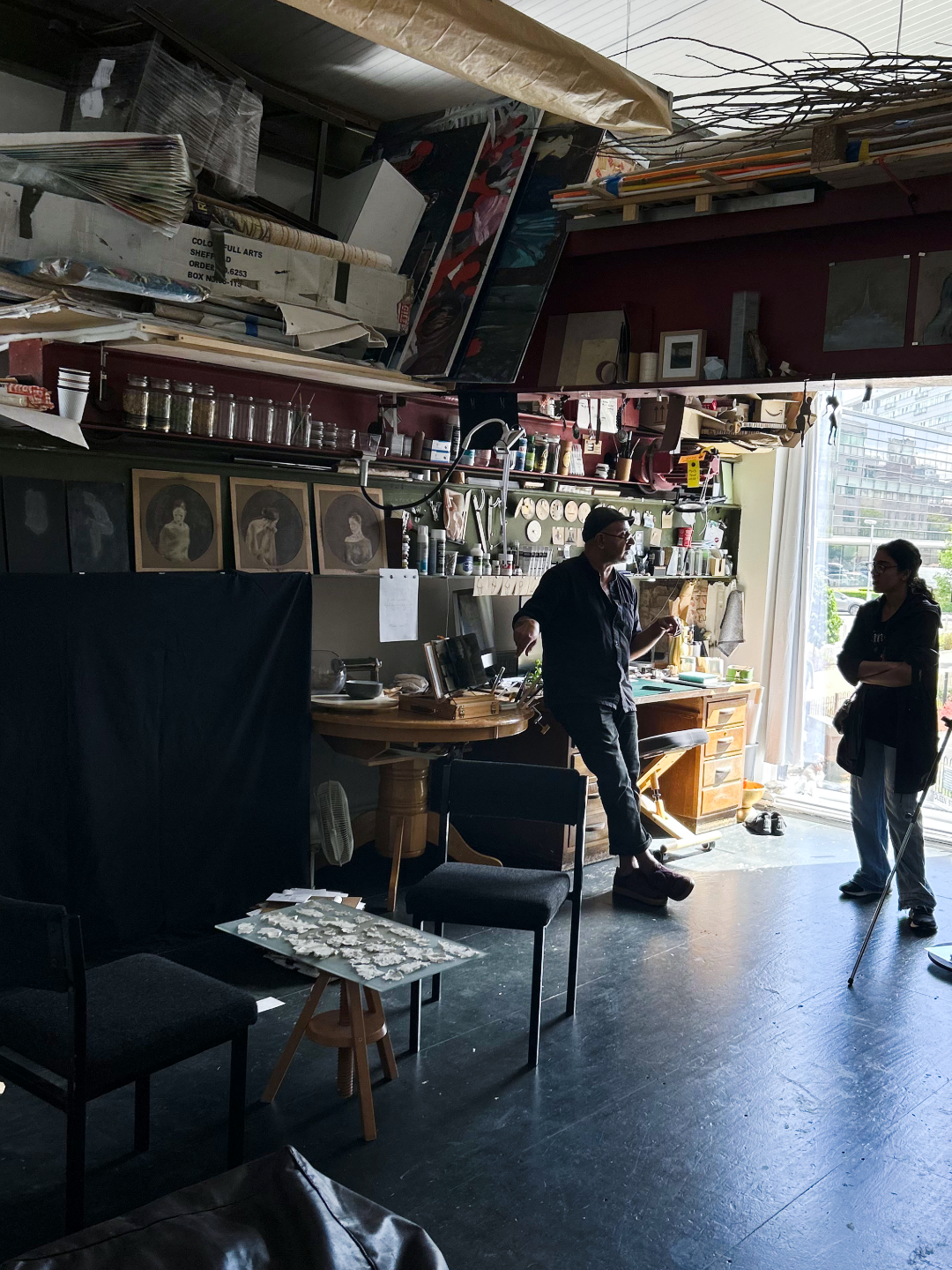
<08> Ariist in conversation in their studio space
<09> Parents and children taking part in Lino print workshop activities
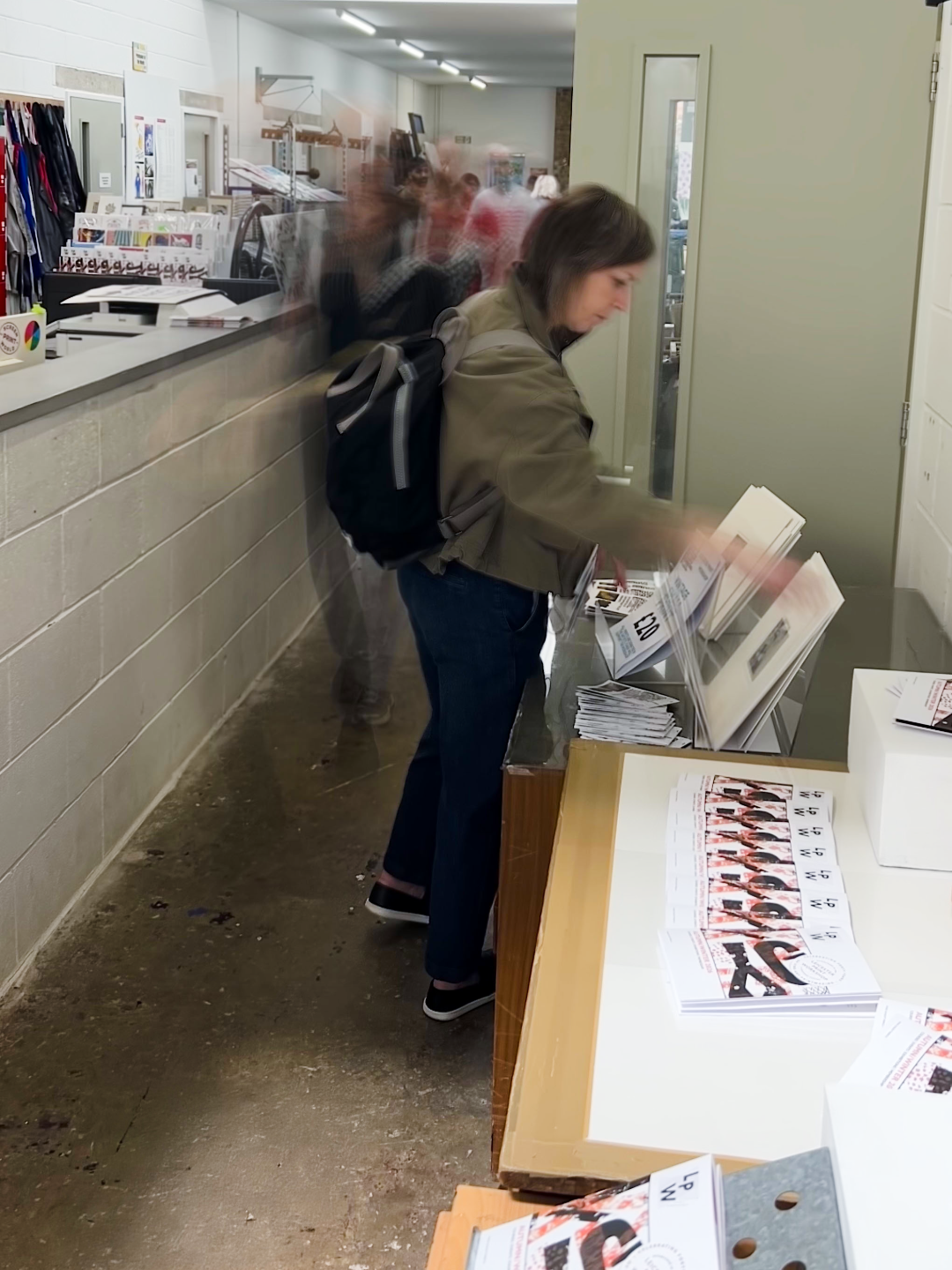
<10> Visitor thumbs through prints for sale at Festival
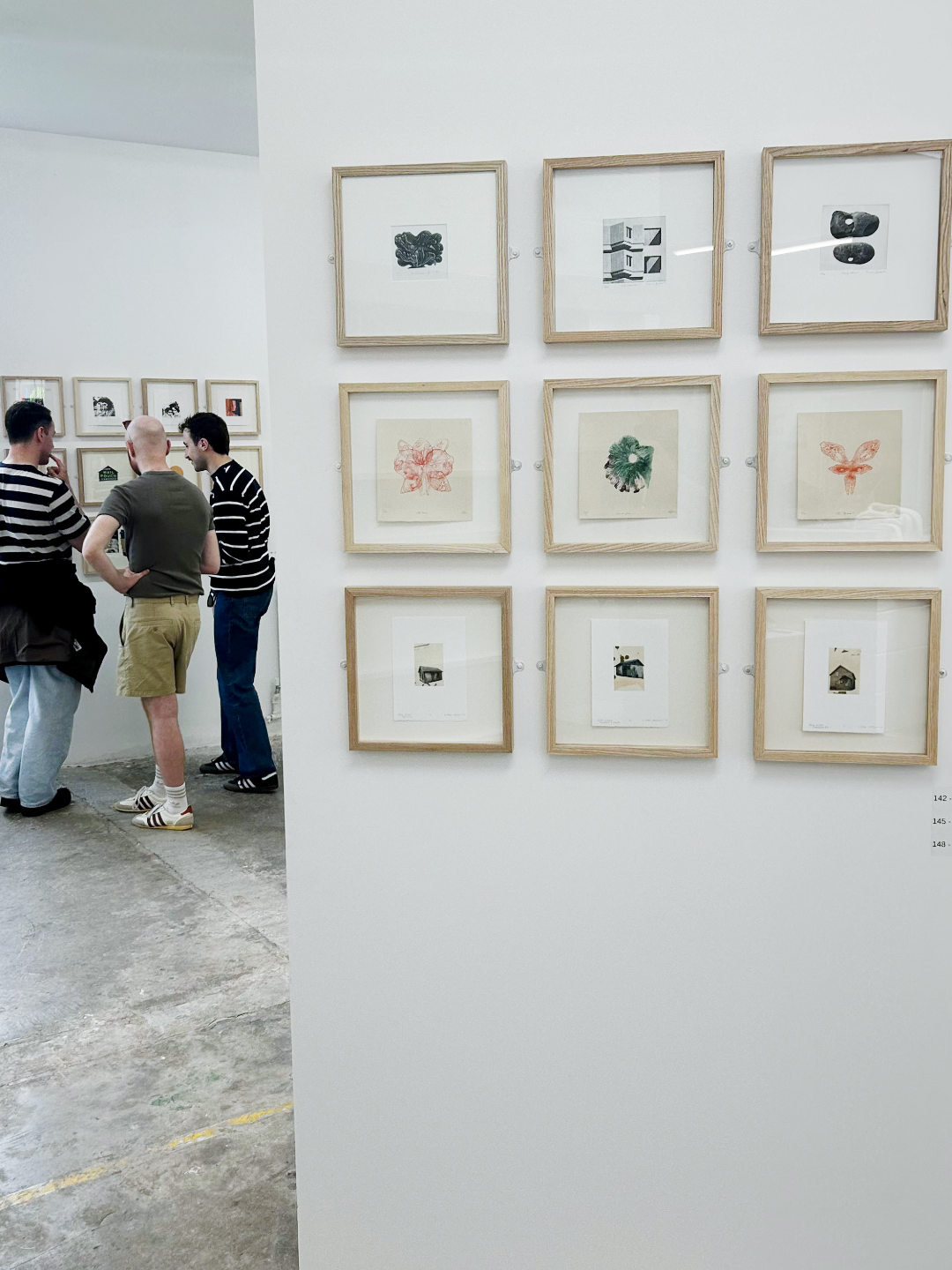
<11> Small Prints Exhibition
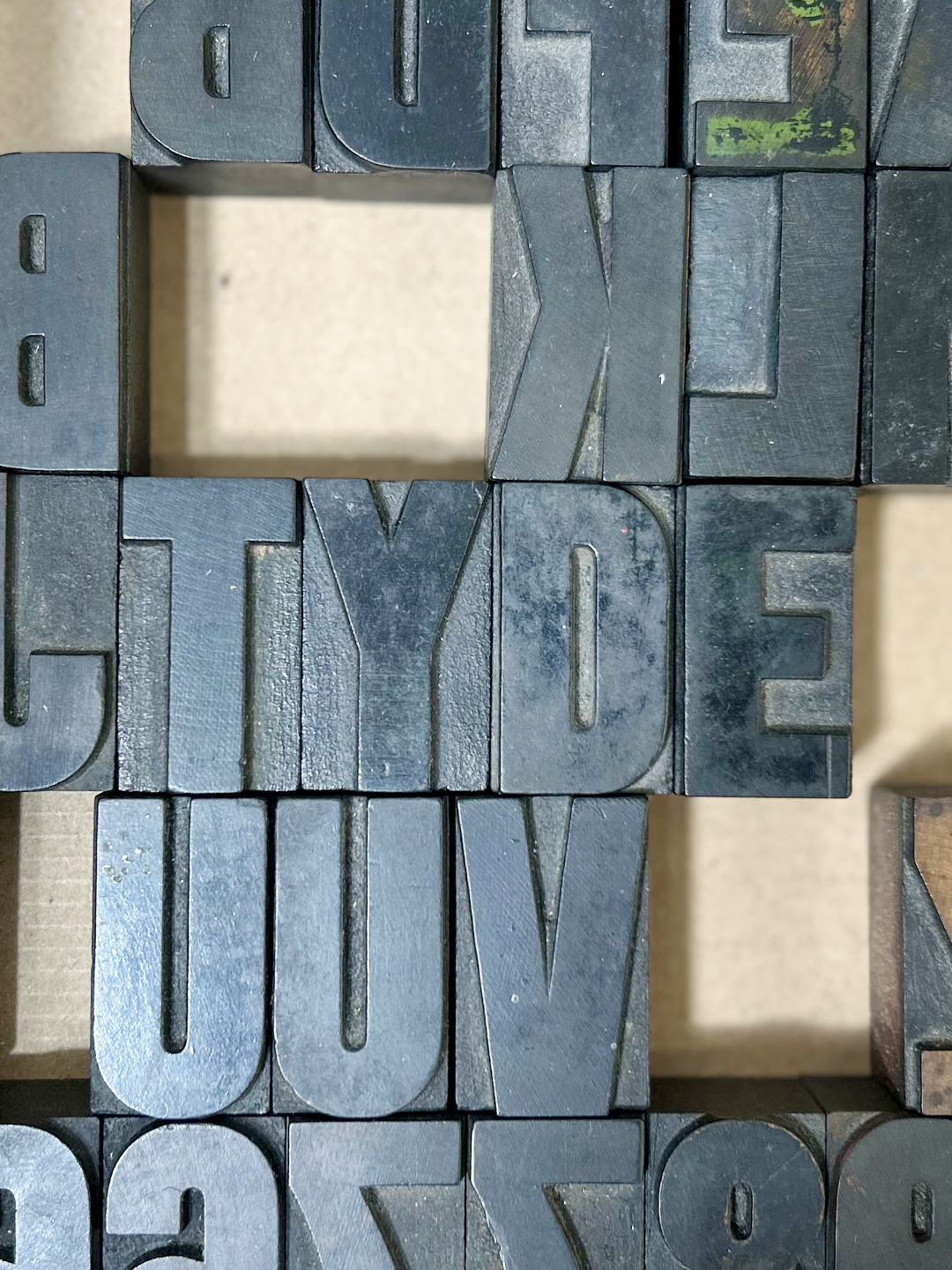
>12> Letterpress blocks for sale, cheekily rearranged to spell the word TYDE
Contact
Say hello:
General Enquiries & New Business: hello@tyde.agency

EXPRESSING ARTISTRY OF ALL KINDS.